A former GameStop exec thought building its Steam competitor would be his ‘forever job,’ but the retailer bet the house on digital distribution being ‘a passing phase’
By: Kenny
Date: April 3, 2026
Time to read: 2 min.
Before a career second act at Nightdive Studios, the recently-retired Larry Kuperman‘s big project was Impulse. It was to be GameStop’s answer to Steam, but it went the way of the dodo in 2014. Kuperman went into his personal history building up Impulse’s catalogue when we spoke at this year’s Game Developers Conference.
Kuperman came to the games industry about halfway through his professional career, with both his story and that of Impulse beginning at Stardock, a software company that was branching out into games. Stardock’s management was thinking in terms of digital distribution early—Kuperman started in 2001—and the company was laying the groundwork for its own service.
“We reserved the rights to electronically sell the game,” Kuperman recalled of his first game with Stardock, economics sim The Corporate Machine. “It was part of the contract negotiation that we could sell the game electronically. I’m sure the lawyer at Take Two [was thinking], ‘It’s electronic distribution. Who cares about that?’ That moment was kind of pivotal.”
Article continues below
The first iteration of this online store was a website called Drengin—its archived form is a real hoot, with a throwback layout advertising the hottest games coming in 2004. “Back in those days, it was not the same game experience,” recalled Kuperman. “You got this thing to download and the serial number that came in your email.”
Around 2004 to 2005, when the Canadian publisher Strategy First (Jagged Alliance, O.R.B: Off-World Research Base) collapsed while working with Stardock, the software company walked away with electronic distribution rights to Strategy First’s games. “That launched what would become Impulse, which was a Steam competitor from Stardock. It was a similar platform,” said Kuperman.
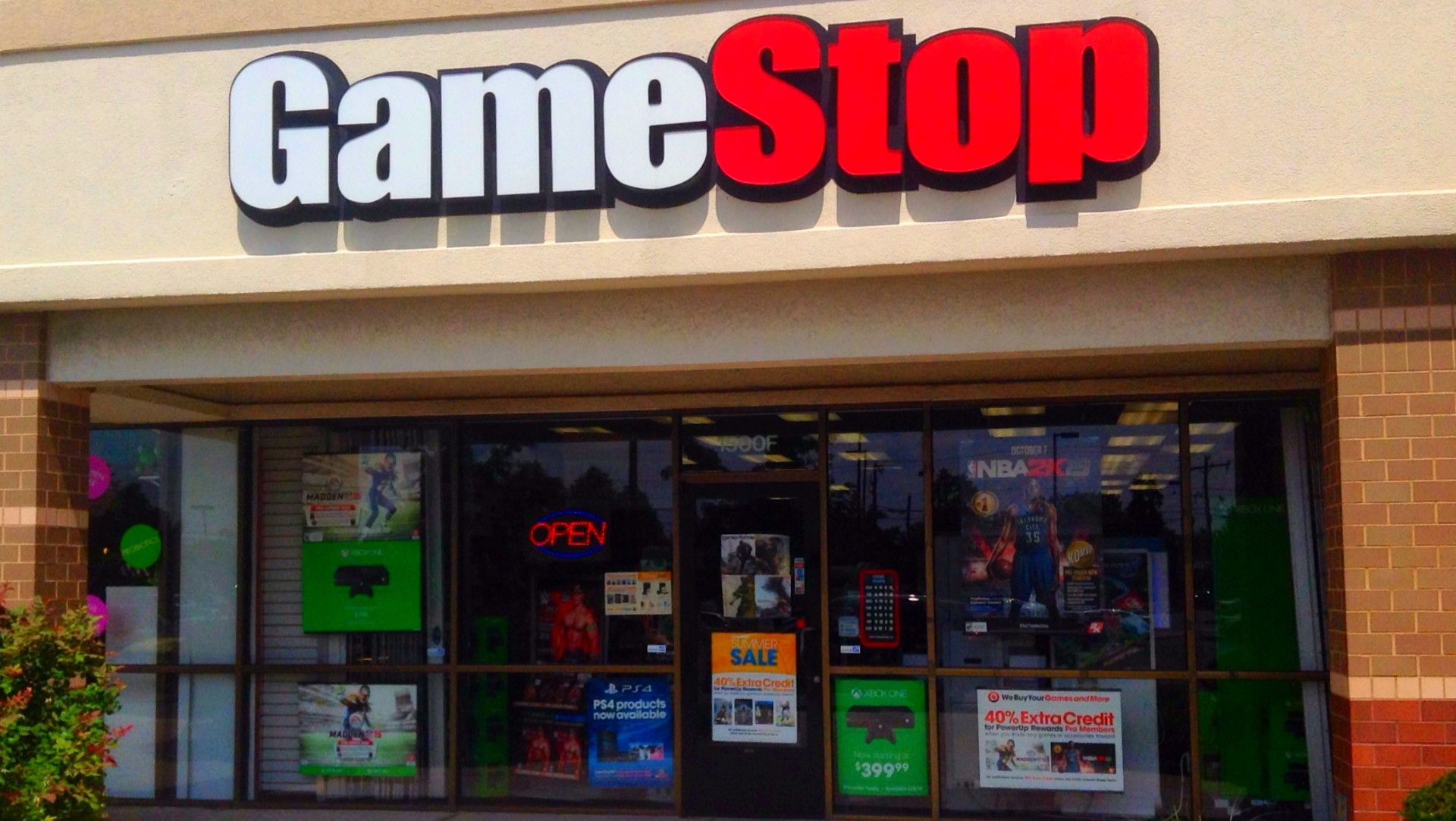
Impulse first launched in 2008, and was then sold to GameStop in 2011. “I joined GameStop for two years as their head of electronic distribution on the PC side,” recalled Kuperman.”I thought that was going to be my forever job. Ironically, that didn’t work out.
“I guess, back in that time, [it was] completely different management than is at GameStop now, but GameStop thought that electronic distribution was just a passing phase, and brick and mortar was going to come back strong: ‘I’ve seen the future, it looks just like the 1950s.’ But that really didn’t happen.”
Keep up to date with the most important stories and the best deals, as picked by the PC Gamer team.
The rest, as they say, is history. GameStop seems to have reached an equilibrium after years of turmoil: “Meme” stock manipulation, layoffs and store closures, even the untimely demise of GameInformer—though that last bit does have a happy ending, at least.
It’s a bit of brick-and-mortar hubris reminiscent of Blockbuster refusing to buy Netflix in 2000. Though Kuperman had no illusions of Impulse having true Steam-killer potential, the company giving up on digital distribution altogether was clearly the wrong move in hindsight.