
Ken coolly serves the hottest news stories and has played, we think, every game ever made.

Published:
The opening act of Final Fantasy 14 was received so badly as to it being enshrined in legend. What’s now known as FF14 1.0 – the only piece of the MMORPG you can no longer play – crumbled under a weight of complaints about everything from its combat and class system to awkward menus, an agonizing grind, and time-gated experience gains. It was a total failure. Square Enix, to its credit, took a big gamble: under the guidance of new Director and Producer Naoki Yoshida (‘Yoshi-P’ to the community), the game was completely rebuilt from the ground up. It relaunched in 2013 as Final Fantasy 14: A Realm Reborn. 13 years on, the critically acclaimed MMO is preparing for its biggest shakeup since that 2.0 rebirth – and it’s the perfect time to start.
My first time playing Final Fantasy 14 was during the pre-launch beta weekend for A Realm Reborn. I immediately fell in love with the world. It grabbed me in a way no MMO had previously, and I’ve stuck with it ever since. I was taken by the care and attention in every corner, the feeling of being a small player in a big world. Perhaps most importantly, it keeps the RPG aspect firmly front and center, feeling like a single-player adventure that happens to exist in a grand, multiplayer landscape. Over the years that followed, as my ‘Warrior of Light’ has become more central to its tale, its slow-burn storytelling built my affection for FF14’s cast in a way shorter games could never hope to achieve, and development team Creative Studio 3 (CS3) has wielded this power with care, to both magical and heart-wrenching effect.
Along with building its storytelling chops over the years, CS3 has also continued to improve its ability to punctuate this narrative with incredible spectacle fights; symphonies of visuals, audio, and mechanics that invite you to dance with your foes. This is where the multiplayer side of things really comes into play, allowing you to team up in larger groups – of four, eight, 32, or even more on rare occasions – to take on its larger encounters. The result is an experience that captivates with story, then executes in its action, time after time. To better set the scene, let me take you on a journey through FF14’s life, and how it grew to reach 35 million registered accounts, becoming the most profitable entry in the series along the way.

The multiplayer nature of Final Fantasy 14 can be somewhat confusing if you’re coming in fresh. Square Enix’s long-running Final Fantasy series first began in 1987, and now boasts a total of 16 mainline games and a whole heap of spin-offs. That core numbered line-up is almost exclusively single-player RPGs, but there are two exceptions: FF11 and FF14, which are both ‘massively multiplayer online’ variants, or MMORPGs. Their broader nature means they’ve continued to be supported long past the release of subsequent games (FF11 likewise remains active and relatively popular to this day, albeit to a lesser extent).
Despite Yoshi-P frequently citing the team’s love for and inspiration from other games in the genre, a big part of the appeal here is that right from those early days, Final Fantasy 14 has been unafraid of rejecting traditional MMO conventions. Where its big rivals like World of Warcraft insist on you having just one class per character, FF14 allows you to level every combat, crafting, and gathering job in the game on a single Warrior of Light, removing any possible frustrations about having to unlock things again on your alts. Narratively, 2.0 begins in the wake of the apocalyptic calamity that marked the end of the MMO’s first incarnation, and much of its design is a direct response to the negative reaction to 1.0.
FF14’s main story, known as the ‘MSQ’ (Main Scenario Quest), is the thing you’ll hear most effusively brought up, and for good reason. A Realm Reborn is a slow burn, focused more on worldbuilding, but as soon as you hit the first expansion, Heavensward, it’s all go. There are ups and downs, of course, but the highest highs of Shadowbringers and Endwalker are worthy of ranking among the best stories in Final Fantasy – nay, across all of modern media. Your patience through that sluggish early build is rewarded in spades with deep emotional connections to its cast, but many of the newcomers that join later are every bit as compelling. When they struggle, you feel it too, because you’ve shared in their heartbreaks. Their successes taste all the sweeter, because you’ve watched them grow.

As I mentioned earlier, Final Fantasy 14 is probably better described as a single-player RPG that happens to take place inside an MMO. Realizing this was one of its great strengths, CS3 has been actively improving support for solo adventurers over the years, to the point where you can now enjoy about 98% of its main story without ever teaming up with other players, if you prefer. You’re able to bring computer-controlled companions along for group activities such as dungeons, whether you prefer to do so for story reasons or because of multiplayer anxiety.
That doesn’t mean the journey to current content needs be a lonely one. Alongside the constant stream of new players, known in the community as ‘sprouts’ due to the icon that sits by their name, CS3 has worked hard to ensure long-time veterans have reasons to keep coming back to old content. Towns in older expansions can fall a little quiet at times, but the three base-game hub cities are a constant hive of activity, and any main-story dungeon or trial you wish to complete in a public group will fill up in reasonable time (although healers and tanks will typically have less of a wait than those playing the more popular damage-focused roles).
Speaking of roles, FF14 is relatively traditional here, respecting the ‘MMO holy trinity.’ Tanks draw the attention of enemies, grouping them up for the DPS (damage per second) players to attack, while healers ensure everyone stays alive. The ‘secret,’ however, is that all FF14 jobs get plenty of chances to do damage, because CS3 knows that’s fun. Tanks mostly ‘pull aggro’ by hitting things, and healers are taught to sneak curative spells in between their regular rotation of attacking moves. There’s even one class, the Sage, that heals allies based on the harm it dishes out (using its signature suite of four floating laser cannons).

With so much of it to dig through, when does Final Fantasy 14 peak? That depends on you, so let’s take a walk through the years. 2015’s Heavensward sets a narrative high bar, digging into a millennia-long conflict between man and dragon, and putting you at odds with Ishgardian Pope King Thordan VII to unmask the lies underpinning his reign. It takes the Warrior of Light on a roadtrip of discovery, where figures on all sides of the conflict, faced with the realities of the world around them, are forced to reckon with the uncomfortable truths of their respective upbringings. Don’t expect to roll credits without shedding a few tears along the way.
As strong as its story is, however, Heavensward still struggled slightly with content pacing; CS3 was still building back up from the impact of 1.0, and it hadn’t quite figured everything out. 2017’s Stormblood delivered here, marking a notable step up in the combat side of FF14 and leaning even harder into the staggering spectacle of its biggest fights. That continued with grand-scale side activities like Eureka to appease those seeking more of a long-form grind. The narrative, while not quite eclipsing that Heavensward bar, is a gut-wrenching tale of communities and people broken by years of imperial oppression.
Each FF14 expansion is followed by a gradual rollout of post-launch patches that introduce more story and additional activities such as raids and crafting content. While Heavensward’s initial narrative takes place in patch 3.0, for example, there’s a subsequent arc that presents fresh threats, whether that’s a former ally turned against you, or digging into the complex aftermath of upheaving Ishgard’s political landscape. If you were to point to a single moment where FF14’s story shifts into its highest gear, it’s during those post-Stormblood patches.

From there, we’re introduced to Emet-Selch – an effortlessly charming antagonistic figure who will be forever remembered by all who have encountered him – in 2019’s Shadowbringers. It’s here more than ever that Final Fantasy 14 puts your character, the Warrior of Light, at the very center of its storytelling, whisking them and their companions away to an entirely new location. The result serves as both an unforgettable standalone story, and a veritable explosion in the lore of the greater FF14 universe, which then leads us perfectly into Endwalker, the expansion that closed the book on its first decade-long story arc.
Before we touch on that, I want to pause to note that everything I’ve described so far, from A Realm Reborn through to the Shadowbringers endgame, is now part of the much-memed FF14 free trial. We’re talking easily hundreds (perhaps even thousands) of hours at your fingertips, including the eight-player raids, 24-player alliance raids, and other activities such as Eureka and its Shadowbringers sibling, Bojza. All for free, with access to every job available up to that point and no limitations on playtime. It’s an outstanding demo and an outrageous giveaway.
If you’ve ever been tempted to try Final Fantasy 14, there’s really no excuse (beyond the initial hurdle of Square Enix’s awkward sign-up process). There are some restrictions on the free trial, such as the inability to send private messages, trade, or start your own player parties (you can still join those created by others). If you just want to experience the story, you likely won’t be affected by any of these, although I know a few players who have upgraded to a full subscription before completing everything in the free trial because they were already convinced enough to make the jump.

While each story has a standalone core, Endwalker brought a close to the overarching narrative that had been playing out across that first decade in 2021, and it did so without missing a step. As the climactic moment, it’s difficult to say much here without spoiling things, but trust me: it sticks the landing. CS3 even took the time in its endgame raids to return to and expand on a lot of the base-game lore of the world, and in doing so transformed a largely forgettable villain from A Realm Reborn into one of the most well-rounded characters in the entire game. This climax left Final Fantasy 14 at a terrifying turning point, however: where do we go from here?
The initial answer was 2024’s Dawntrail, and as expected, it couldn’t live up to the narrative highs of the ten-year emotional rollercoaster that preceded it. Viewed in retrospect, however, Dawntrail feels much more like the reset we needed, seating our Warrior of Light on the sidelines for a moment while CS3 laid the groundwork for the next narrative arc to come and established more foundational system changes. We got the graphics update, bringing the gorgeous but dated visuals up to a more modern-day standard.
Combat, which had started to grow slightly stale and formulaic, was invigorated and refreshed. Whether you loved or hated its story, Dawntrail’s dungeons, trials, and raids are the best its action has ever felt. The culmination of this is the Arcadion raid series, essentially a giant wrestling tournament against a dozen animal-infused warriors. This allowed the fight designers – and one of FF14’s other big secret weapons, its musical team, led by the magnificent Masayoshi Soken – to be more experimental than ever.
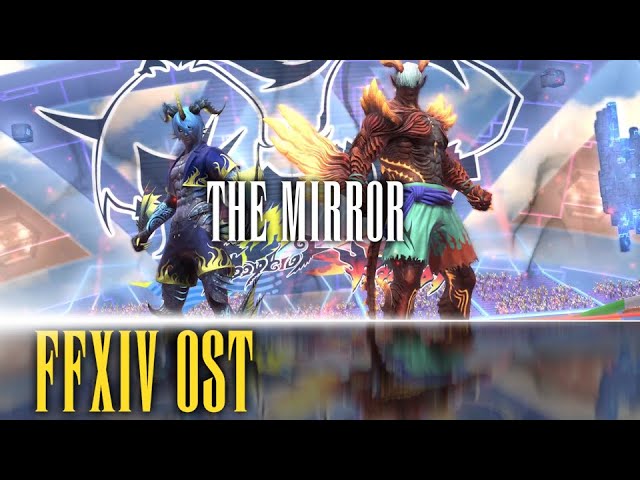
Battling a giant bee woman who entrances her audience with an irresistible combination of pheromones and a bubbly idol-pop soundtrack? Check. A tag-team showdown against two surfer bros wielding fire and water, set to the sounds of a pop-punk track reminiscent of Blink-182 and Sum 41? Of course. A ’70s-style disco dance battle with a frog-infused foe, where you have to step across the flashing floor lights in time to the music? Groovy, baby. The Arcadion has it all; it’s the absolute peak of FF14’s combat to date, and a remarkable sign of how much this ‘Final Fantasy theme park’ has grown into a beast of its own.
When I first started Final Fantasy 14 back at 2.0’s launch, I was impressed by how much freedom I had to choose which way I should level my character. Fast forward to now, and the range of activities at your disposal has only grown. Lifestyle players will love taking part in minigames in the Gold Saucer casino, decorating their house, or tending to their own personal island. Hardcore raiders spend weeks progging to learn the most difficult savage and ultimate fights. Those who love a grind can work on earning relic weapons, while those who don’t can simply come back for the next MSQ chapter, or for the ultra-silly Hildibrand side story that serves as CS3’s experimental animation testing ground.
MMOs often have a reputation for demanding all of your time. Not so here: FF14 is there for you, not the other way around. Director ‘Yoshi-P’ is regularly heard encouraging players to step away from the game between updates, whether it’s to play other things or simply to take a break, and every time I’ve done so I’ve walked right back in like I never left. The only minor caveat here is when it comes to player housing; at least one person in your Free Company must check in each month, in order to keep your house from being demolished to free up that particular in-world plot for someone else to grab.

We’re now on the cusp of CS3’s biggest overhaul since 2.0. The 8.0 expansion, FF14 Evercold, arrives in January 2027, and it’s leaving no piece of the game untouched. Following Dawntrail’s release, Yoshi-P and his team sat down to make a list of everything in the game that needed changing or updating, and it feels like nothing is off-limits. It all starts with ‘Evolved Mode’ combat: a complete redesign of every single job in the game, intended to make them feel more individual and fluid to play, which will exist in tandem with the existing ‘Reborn Mode’ for those who prefer to stick to the old method.
Alongside this, Square Enix is ripping up its old progression systems, moving away from tasks that offered daily rewards to instead favor a weekly reset. This means that if you like to check in for a bit each day, you still can, but you won’t miss out on anything if you prefer to just log in at the weekend and blast through it all in a single sitting. At the endgame, you’ll be able to ‘reflect’ your best gear level across jobs to use them all in raids without having to grind. Character customization is being expanded, lifting restrictions on everything from skin tones to hiding lore-based accessories such as the warpaint worn by its Miqo’te cat-people. There are even hushed rumors of the fabled ‘butt slider,’ a long-time request among players.
These changes continue to push Final Fantasy 14 in a player-friendly direction, and Yoshi-P is even relaxing some of his own personal beliefs in order to accommodate this. Having long insisted upon the importance of playing through the MSQ in full, he says he’s now “thinking very positively” about options to help newcomers get up to speed more easily. Personally, I’d still absolutely recommend that you see the full thing through, but we’ll also be getting additional tools to help, such as a toggle to auto-run to your next quest destination.

More eyes than ever will be on FF14 for Evercold’s release. It’s the moment where CS3 has to prove it still has the writing chops that delivered Shadowbringers and Endwalker as it dives fully into what it’s dubbing ‘The Godless Realms Saga.’ There’s the question of whether all these new systems, particularly Evolved Mode, will be a hit or miss. Then there are the crossovers: in 8.0 and its post-launch patches, we’ll be getting an eight-person raid series based on FF7, and a 24-player alliance raid trilogy in collaboration with Evangelion. Each of those is certain to draw in some fresh blood.
Regardless of where we end up, it’s clear that Yoshida would rather take big swings and occasionally miss than simply sit in comfort and allow FF14 to slowly stagnate in familiarity. He even convinced Square Enix President Takashi Kiryu to publicly announce, in somewhat roundabout terms, that he would give CS3 extra support to “limit break” the game’s potential. As a player who’s been here since 2.0, that’s exactly what Final Fantasy 14 needed most, and it’s an exciting time to be part of the journey.
No matter how Evercold lands, the combination of those incoming systemic overhauls, the start of a new saga, and the free trial expansion into Shadowbringers means there’s never been a better moment to discover what Eorzea has to offer. If you want to dip a toe into the waters, the free trial is certainly the way to start. You might quickly decide you like it enough to stump up for a monthly subscription, but there’s no pressure to do so until you’ve been all the way through those first three expansions. Let players know you’re new in town, and you’ll almost always find them accommodating and encouraging; there will always be outliers, but on the whole FF14 has fostered a community that loves to help.

As for the best place to play, you can go through Steam if that’s where you’re most comfortable. I’ve always used Square Enix’s standalone launcher, however, and I’d probably recommend it just to minimize the potential for interruptions due to the likes of Steam maintenance. Be warned that the sign-up process remains one of the more awkward parts of the procedure, whichever method you choose (it’s actually slightly more convoluted with Steam, because of the need to link your account to a Square Enix one anyway).
Once you’re in, though, I promise it’ll all be worth it. My love for Final Fantasy 14 in 2026 is burning brighter than it ever has. I’ve played more of the game in the last few years than I did with any expansion prior. That’s partly because CS3’s ability to keep old content alive means there’s simply more to do than ever before, and partly because Dawntrail’s action is so much fun, and its raids are such fantastic, varied spectacles, that I keep coming back just for the satisfaction of yet another round.
At the time of writing, we’re hot off the heels of the second of three Fanfests that are building us towards Evercold’s January 2027 launch. That means we’re jammed between a flood of details about what’s coming, and a wealth of speculation about the stuff we haven’t had confirmed yet. It’s the perfect storm, whipping the community up into a frenzy of ideas, excitement, and concerns, and I’m spreading my arms wide and letting that enthusiasm carry me all the way into next year. Hopefully, I’ll see you there too.