
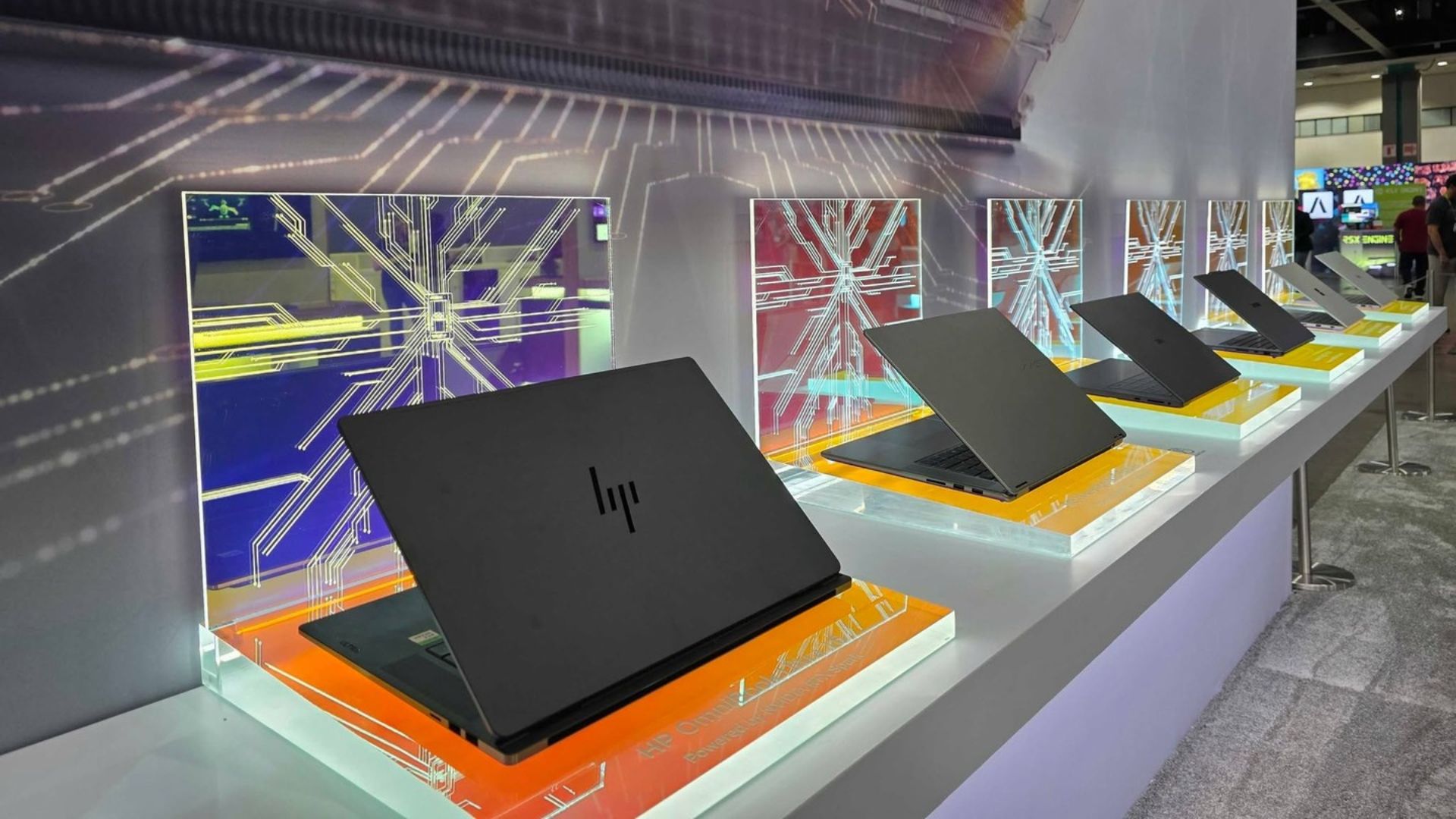

Nvidia first unveiled its Arm-based RTX Spark chips at Taiwan’s Computex trade show back in May, as the firm looks to capture a growing selection of gaming hardware which carries power-efficient Arm hardware rather than conventional x86 chips.
Nvidia already has experience with creating Arm gaming chips for more portable devices such as the Nintendo Switch, but the RTX Spark platform is set to find its way into a range of Windows-based gaming laptops and mini PCs, designed for gaming, content creation, and AI use. The comparatively lower power consumption these chips carry will also be essential for extending battery life on laptops.
The firm had previously slated a fall release date for RTX Spark-equipped laptops, and these new Geekbench results suggest that the launch window is still on track. Two listings have been discovered on the results page for the RTX Spark N1X processor – in both 20-core and 18-core configurations.
Focusing on the 20-core configuration of the chip, it returned a single-core score of 2,593, while achieving a mutli-core score of 23,424. The latter score comes impressively close to Intel’s flagship desktop consumer chip, the i9-14900KS, which achieved a score of 23,785 in the same test. You can view the full results here, though it’s important to mention that performance results of the final production chips will vary.
That is still a fairly positive indication of how Nvidia’s new RTX Spark platform will handle CPU-heavy tasks, but we’re still yet to see any benchmark results for the Blackwell generation RTX GPU that will come equipped in the RTX Spark platform. That will give us a more rounded picture of how these devices stack up when it comes to gaming, though early signals seem very positive – with the GPU confirmed to offer DLSS 4.5 support.
RTX Spark-equipped laptops and compact PCs will arrive later this year, and will run on Windows 11 out of the box. Despite the Arm architecture, Nvidia is working to ensure the chips will be compatible with common anti-cheat and DRM software, ensuring that all Windows games can be played. Nvidia has already confirmed some of the manufacturers that’ll be bringing these devices to market, including OEMs such as ASUS, MSI, Microsoft Surface, and more.