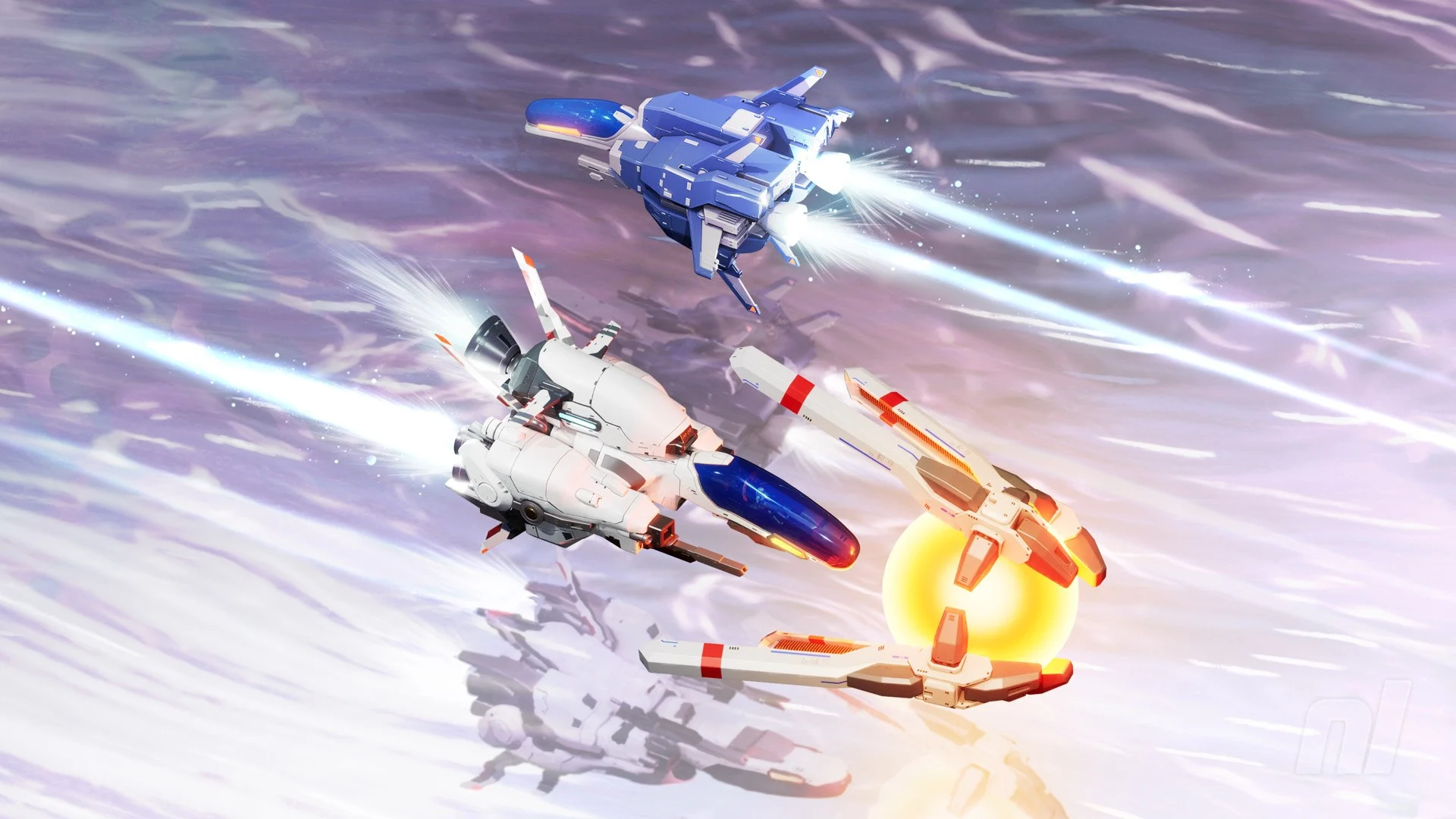
With Irem’s video game division being dissolved in 2011 after Japan’s Tōhoku earthquake, some staff went on to found Granzella Inc. Interested in revisiting their most beloved work, Granzella then got hold of the R-Type licence for 2007’s R-Type Tactics, a turn-based strategy affair for Sony’s PSP. A sequel followed in 2009.
Tactical strategy games are for a special breed of player. You need time, abundant patience, and willpower. The addictive appeal comes from a mix of psychological rewards triggered by game loop patterns — and the dopamine hit that comes from the point where you know you’ve overpowered the opposition. The basic framework remains consistent for the genre, making R-Type Tactics mostly a skin. Granzella, though, haven’t squandered the licence, ensuring many aspects of play tie in with the historical shoot-’em-up series.
In Cosmos there are two full games included, and an epilogue. These include the original R-Type Tactics, R-Type Tactics II: Operation Bitter Chocolate (yes, that’s the best they could think of), and Cosmos, which is the all-new part, rounding off the story in a relatively shorter campaign with only 12 new missions.
Discovering, then, that R-Type Tactics II — released in the West for the first time — and the Cosmos entry are both locked via progression is a real downer. With a single mission taking approximately 30 minutes, not accounting for failures and repeats, the initial game’s campaign (both Human and Bydo paths) is anywhere between 20-40 hours, and the clunkiest of the three to play.
If the narrative and its structure were absolutely enthralling, it may be more acceptable, but it isn’t. This makes the restriction a turn-off for those who already beat the original and want to dive directly into the more fleshed-out sequel. For this Hands On, I dug into the initial campaign to get the lay of the land, but Granzella’s strategic format is fairly consistent across all three.
Into the game proper and there are myriad options to configure: English voice acting or Japanese; menu colours; text sizes; and to tailor, in a basic kind of way, your Commander Profile by name, gender, interplanetary outpost, and outfit silhouettes. The plotting initially is a bland series of logbook entries, now with newly added speech.
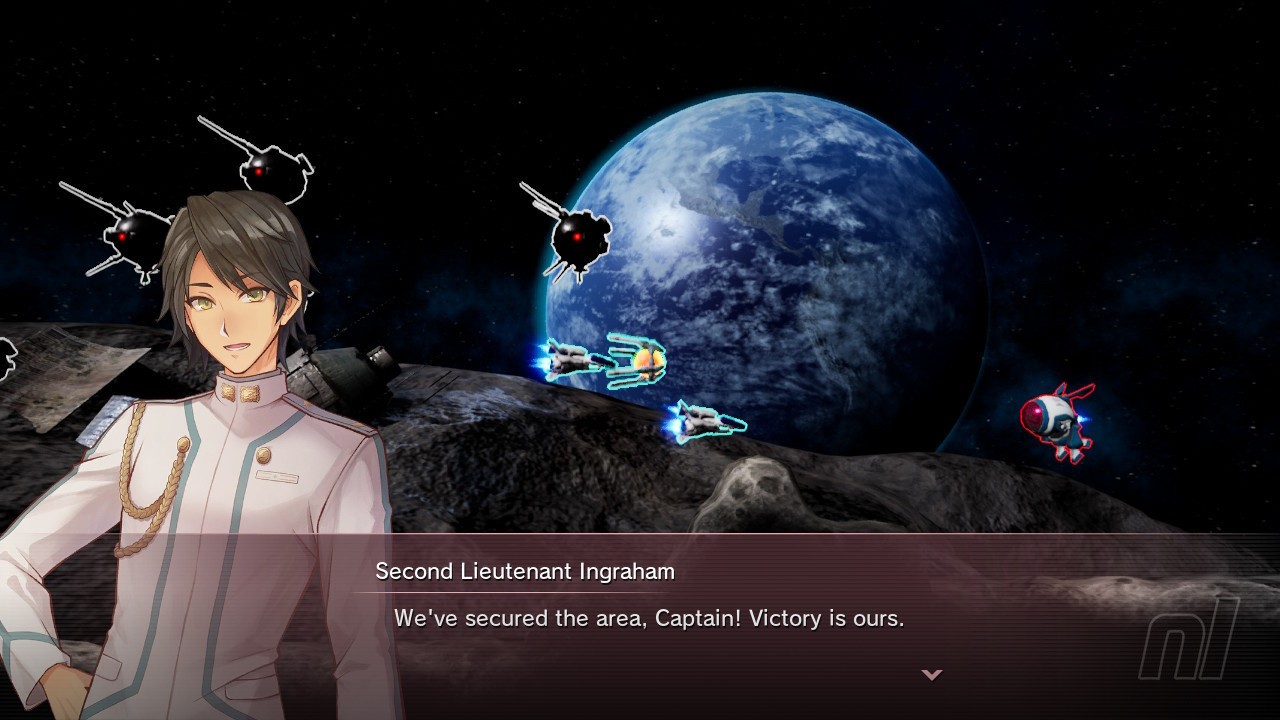
Presentation picks up in Tactics II, adding new character assistants, some Visual Novel-style interactions, and branching mission paths. The overarching plot strives to tell the story of both the human and the darker Bydo side of the conflict, having you switch sides later on — but if you find it verbose or uninteresting, you can easily skip to the next mission.
Visually, this remaster features nicely updated sci-fi backdrops that mostly match the story beats and is aesthetically congruent with the R-Type universe. Fans will recognise series familiarities, from signature bosses to dwarfing motherships. While the new visual remaster is shiny enough and the HUD arrangement is improved, I still prefer some of the visual elements of the original PSP game. At the very least, being able to do a graphics switch between the two would have been a neat option.
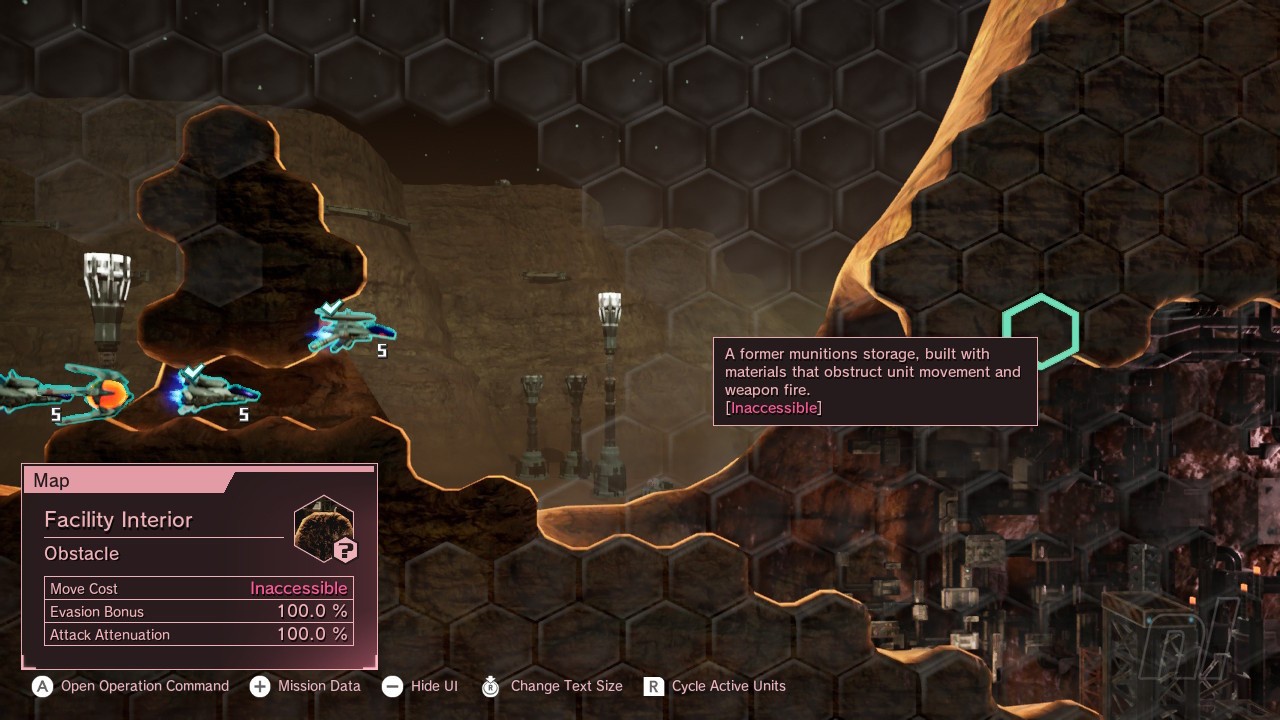
Each mission map is set on a hexagonal grid, whereby you can see your movement range in blue and your attack range in red. One of the more unique features in Tactics is that each ship has a limited fuel and ammo allowance. Additional reserves can be mined for upgrades, and mid-mission resupplies are available through support droids. The restrictions and strategic minutiae serve the game well, tying into broader resource management and conservative, forward-thinking movement strategies.
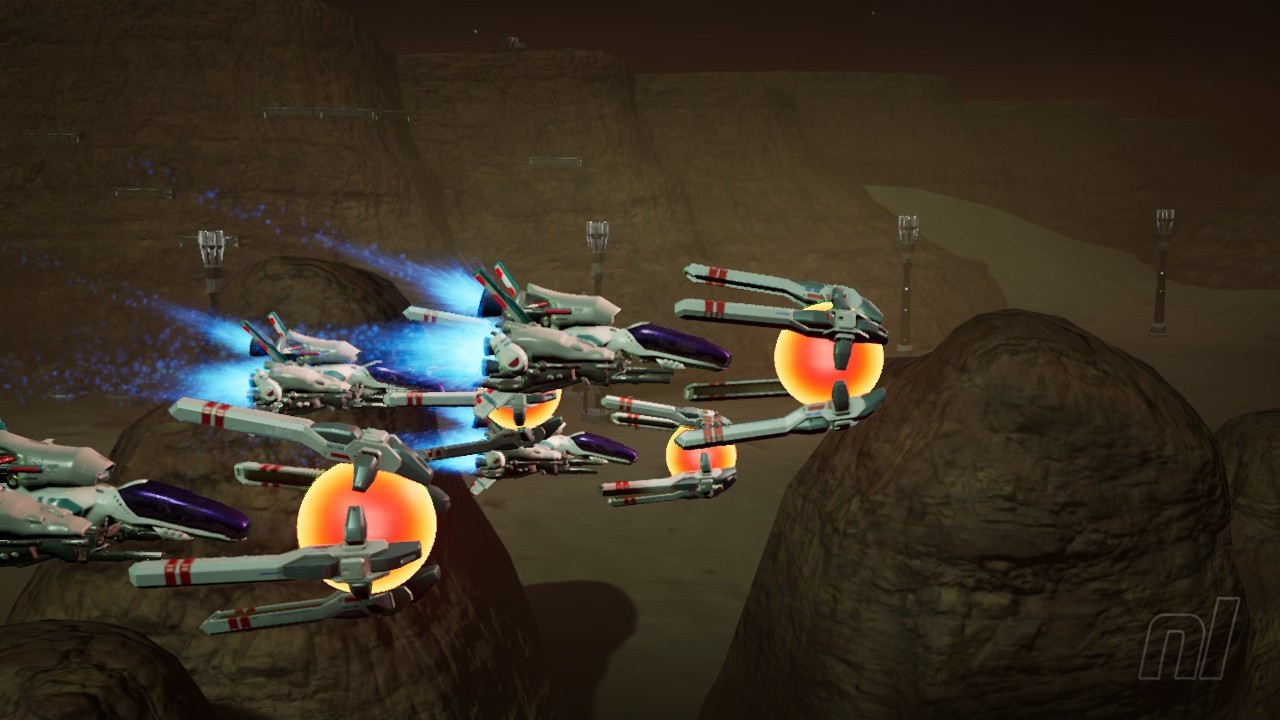
You can, in a stop-start-select process, also attach Force Pods to your craft, affording them new capabilities. These include shield properties, which are useful for your strongest offensive ship, whereby the force pod will soak up incoming fire until detached or destroyed. Additionally, they will increase the power of the R9’s attacks, and can be used independently as a powerful melee tool.
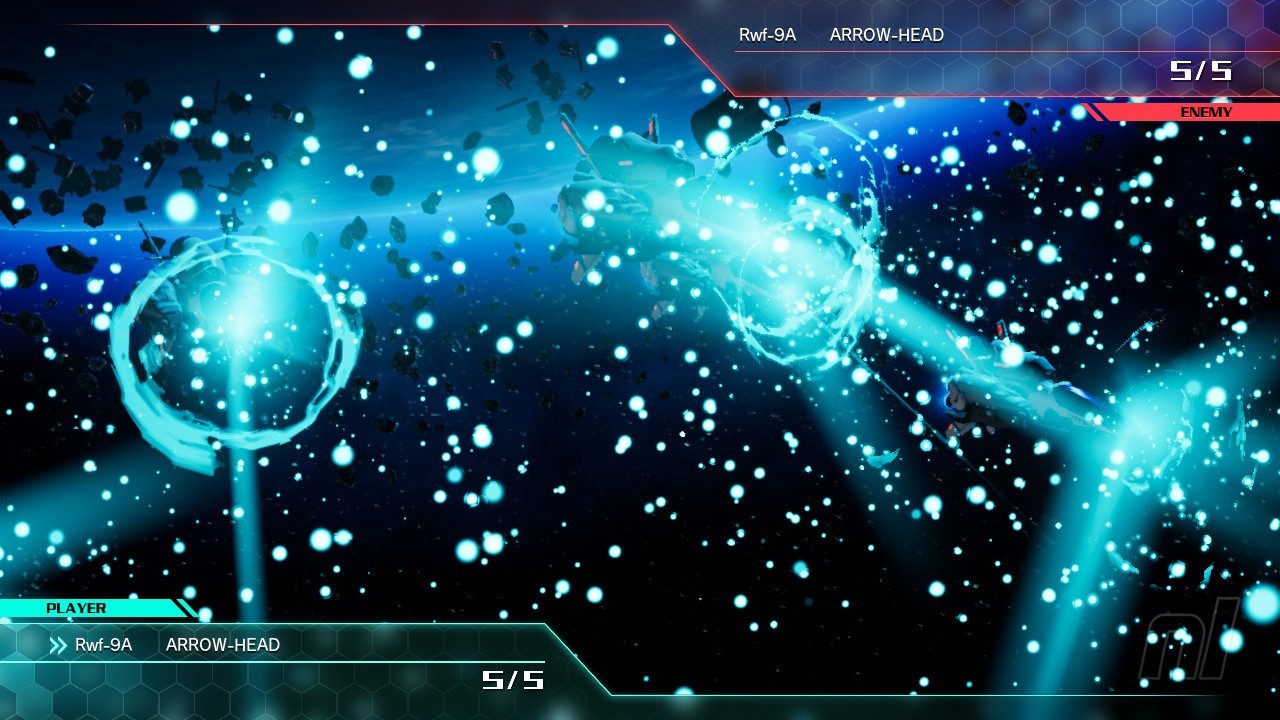
The first hurdle is figuring out everything that you can do and need to do to plot courses, gain optimum positioning, and deal enough offensive power to overwhelm the opposition. The fighter ships in your fleet initially are a mixed bag. Some are restricted to piddly Vulcan cannons, while others have homing missiles for ranged attacks. Most have a time-charged Wave Cannon, which is powerful enough to cut through several enemies at once, assuming they’re lined up on the grid. Sounds grand, but the problem with the Wave Cannon is that if you take a hit from an enemy attack, it resets the charge to zero.
This means your strategic movement and placement is crucial. If you’re thinking of hanging back or regularly retreating to recharge, this strategy only goes so far, as battles need to be completed within a set number of turns and the fuel allowance can be restrictive.
R-Type Tactics is a game where you need your wits about you: it’s seriously tough. Winning a battle stockpiles resources, weaponry, and gadgets, and you use the spoils to come back with stronger defences. But it’s not until you’re knee-deep in it that you realise how much grinding and mission repetition is required to fortify a formidable fleet. And, the fact that the game offers the most basic of click-through manuals and zero in-game tutoring presents quite a wall. This being a remaster, it’s disappointing that the aesthetic overhaul couldn’t have been accompanied by a walkthrough training program.
Additionally, while the games do what they do terrifically well, the facelift and tweaks can’t altogether mask a now somewhat dated PSP interface. The lack of indicators or general help can be very frustrating when starting out, too, with the upgrade screens offering precious little guidance for those trying to understand resource distribution management.
Despite its hard line, those who commit will discover an undeniably fun, deep, and well-arranged tactical adventure that continually evolves. Getting through the initial phase takes a lot of work, but when you have a feel for it, there’s a broad spectrum of growth and reward. Anticipating the enemy’s moves isn’t easy, and it’s better to focus on your own positioning, like hanging back out of range, but with just enough range on the subsequent turn to get into a striking position.
Initially, it actually helps to forfeit turns just to charge up your laser, giving the enemy a chance to encroach before you unload on them. The flagship you need to protect can be slow and has little range, but it can deploy a decoy that can be edged into battle and detonated. Objectives vary later on, too, requiring you to reach specific exit points or survive wave attacks.
Eventually you reach a point where your armoury is strong enough that you only really need to worry about not failing your missions, allowing you to carefully consider each new map layout and environment. Some are actually vertical rather than horizontal in format, rendering direct Wave Cannon fire useless; and in the utterly painful water stages — also a throwback to Irem’s original games — you move at a treacle slow pace unless you boost to higher speeds (requiring more resources).
While showing its age in terms of certain arrangements and flow, R-Type Tactics still offers clever strategy with plenty of nuance and countless hours of playtime. Its novelty, obviously, is being set in the R-Type universe — but Granzella have married to its new tactical profile thoughtfully enough that it feels like it belongs.
While fans will certainly get a kick from its level of detail and genuinely engrossing mission arrangements, at the same time, this is a title that should be reserved for diehard tacticians who relish a stern challenge. It’s incredibly tough from the outset and offers little in the way of assistance for newcomers.
Additionally, locking the sequel’s campaigns and new material is utterly baffling. Perhaps it’ll make no odds to R-Type Tactics veterans who plan to sit down and play through the whole collection in sequence, but be wary if you find these aspects troubling.
Have you picked up R-Type Tactics I & II Cosmos? Played the originals and interested in this? Tom took a look at the Switch 1 version, but let us know below if you’ve tried the game on Switch 2.