Stop Killing Games has had a hell of a run, going from a niche, long-shot consumer campaign to an “absolutely incredible” appearance in front of the European Parliament in just two years. But it’s hit something of a bump in the road, as the European Commission says it “will engage with consumers and publishers by the end of 2026 to explore ways to improve industry standards,” but will not propose any new laws requiring that publishers keep their games operational after their servers are shut down.
The full report has all the details if you want to really get into it, but the much briefer press release has the meat of the matter, which is essentially that existing law trumps proposed new regulations.
“The Commission considers that at this stage it cannot propose a legal obligation to keep videogames playable after they stop being provided commercially,” the announcement states. “This is due, also, to existing intellectual property rights. Under EU copyright law, rights holders enjoy exclusive rights over their creations.


“In addition to copyright, other intellectual property rights may also be relevant as they may protect different visual and technological aspects of a videogame.”
The commission said, as the UK did in 2025, that existing law already provides “important safeguards” by notifying consumers of a game’s dependence on external servers and it may become inoperable when those servers go away. There are further remedies in place for cases in which “the content or service provided does not conform with the contract and what consumers could reasonably expect.”
Still, the commission committed to taking “several” (actually two) steps to address the concerns expressed by Stop Killing Games: To “initiate an exchange with the videogame industry and consumer representatives with the aim to draw up an industry code of conduct on managing videogames’ ‘end of life’,” and to work with consumer organizations and authorities to raise awareness of the existing consumer regulations.
In messages posted to Reddit, Stop Killing Games said there was “nothing surprising to anyone” in the decision, and that “the fight goes on.”
“This movement is defined by action and we will keep acting, we owe Ross [YouTuber Ross Scott, who launched Stop Killing Games in 2024] and the millions of people that have put their trust in us,” Stop Killing Games organizer Moritz Katzner wrote. “MEPs have recognized that, the California state assembly and even the courts have. Let’s keep winning.”
Katzner also laid out Stop Killing Games’ plans for the next few months, which includes continuing work on the Protect Our Games (POG) Act in the US and adapting it for the EU, pushing efforts based on existing legislation in the EU, and building up its new Stop Killing the Internet team.
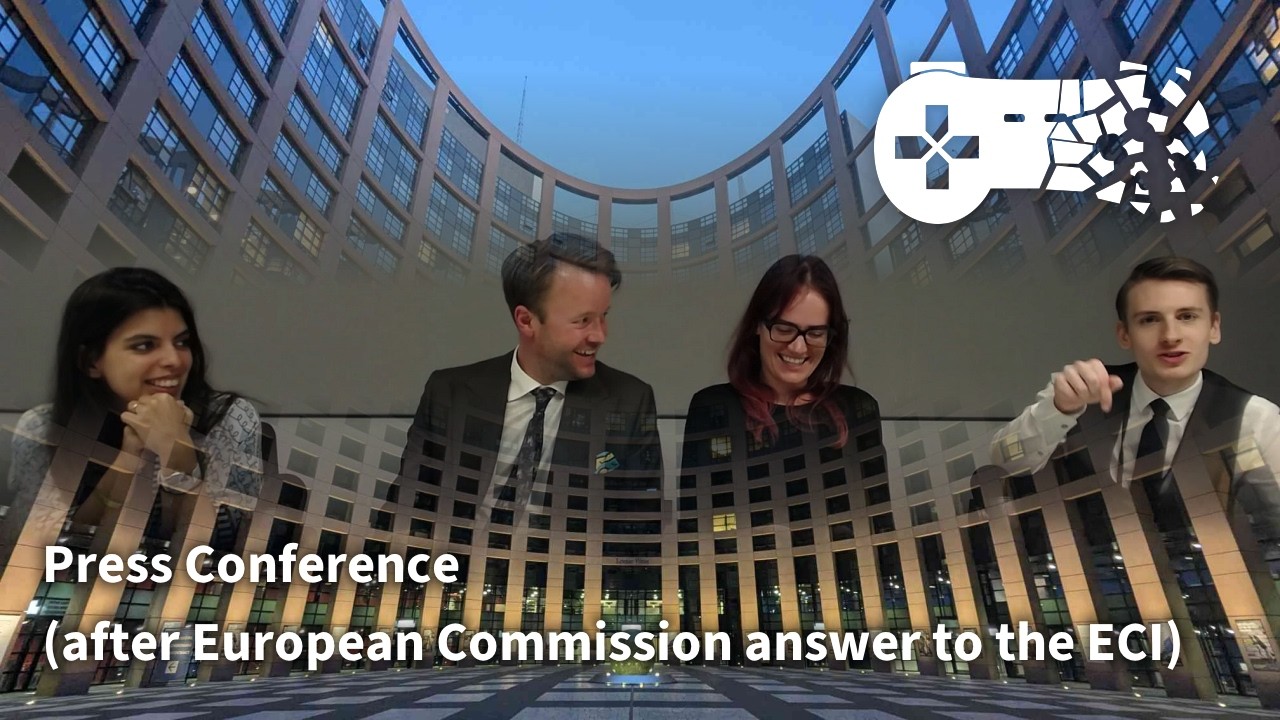
“One thing I want to say is, I am so glad we’ve been making inroads in parliament,” Scott said in a video released after the ruling. “So do not be discouraged by this answer whatsoever. It’s what we were anticipating and unfortunately it’s exactly what happened So we can still go ahead and get amended into the Digital Fairness Act. We have majority support in parliament. Everything’s still on course to go through with that.”
Katzner expressed similar sentiments in the video, noting the organization’s ongoing work in the US, France, and UK: “We’re much more than just this single petition.”
“We’re where we are. We’re definitely not stuck. I would go as far as saying we’re on a very, very good track at the moment.”